
Blog•October 21, 2026
Credit Card vs Personal Loan vs Credit Line: Find Your Credit Match
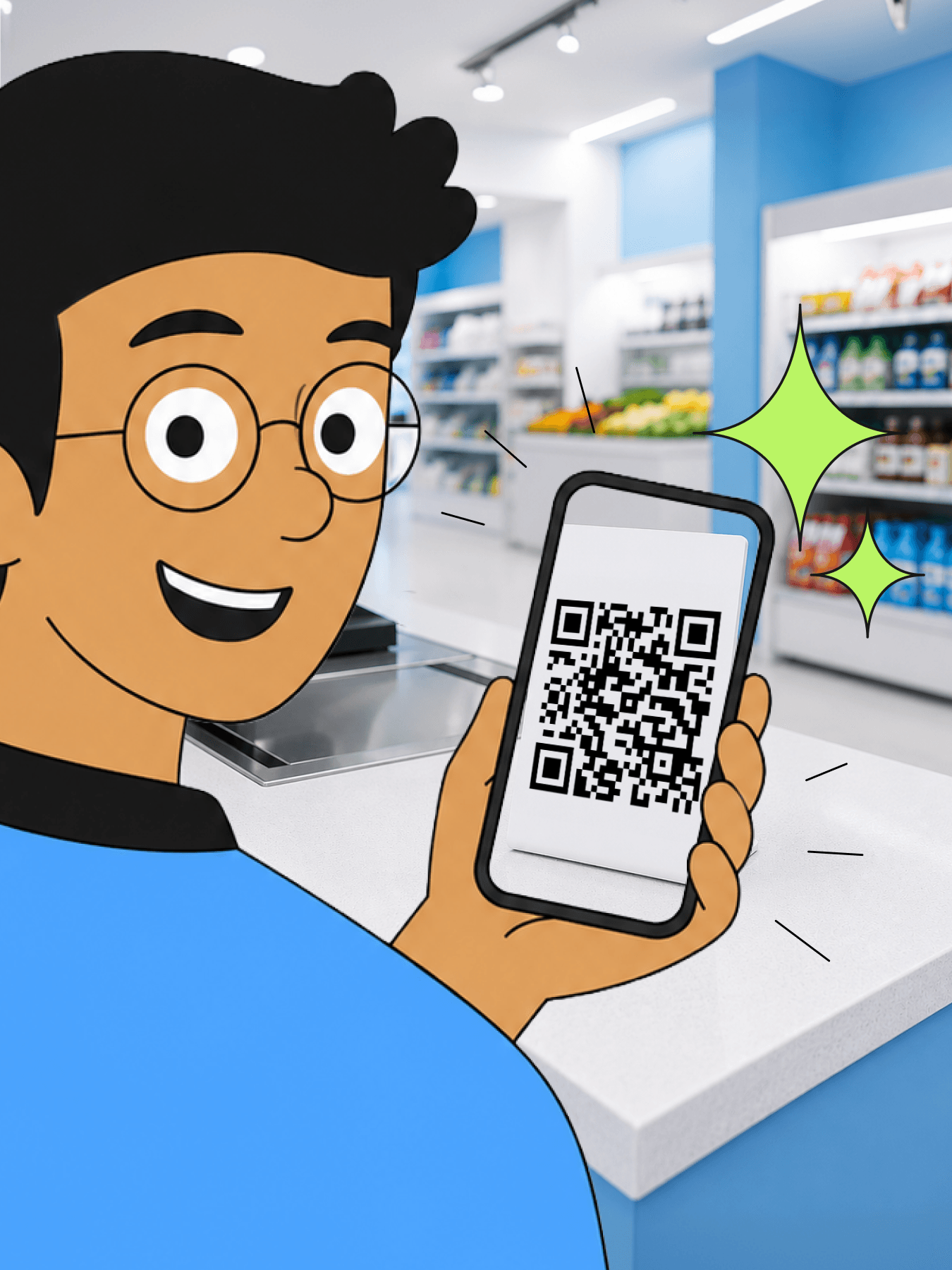
Gone are the days when forgetting your wallet meant rushing back home. With a smartphone and a funded e-wallet or finance app, you can pay for purchases and complete transactions in just a few taps.
One technology that makes this convenience possible is the QR code.
It has become a common sight across the Philippines, from restaurants and retail stores to payment counters.
You’ve probably encountered QR codes many times, but you may not be taking full advantage of what they can do. This quick guide will help you understand how they work and why they’re useful in everyday transactions.
A QR code, short for Quick Response code, is a type of two-dimensional barcode that can store various kinds of information and be read instantly using a smartphone camera or QR scanner.
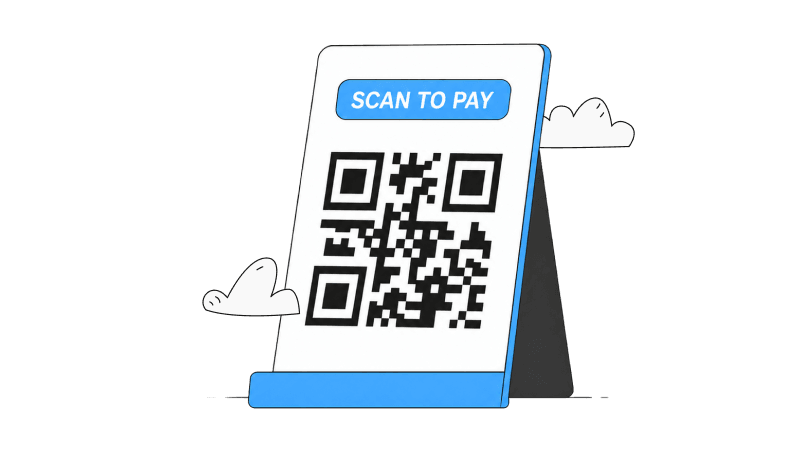
Originally developed in Japan in the 1990s for tracking automotive parts, QR code technology has evolved far beyond manufacturing. Today, it is widely used for payments, marketing, information sharing, ticketing, and digital services.
They're versatile: a single scan can take you to a website, digital menu, registration form, or even a payment gateway connected to your preferred bank or e-wallet.
QR codes have existed for decades, but their adoption in the Philippines became rapid only over the past few years. Several factors contributed to their widespread use.
The growing popularity of digital financial services helped introduce millions of Filipinos to QR-based transactions.
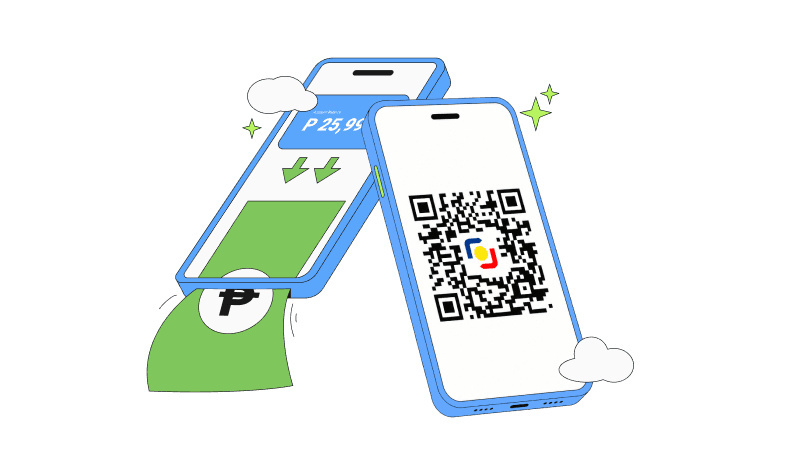
Leading platforms make it easy for users to send money, pay bills, shop online, and make in-store purchases using QR codes. Traditional banks also integrated QR payment features into their mobile banking applications.
As smartphone ownership increased and internet access improved, more consumers became comfortable using QR codes as a convenient alternative to cash.
The COVID-19 pandemic significantly contributed to the shift toward cashless payments and digital interactions.
Businesses, restaurants, and service providers sought safer ways to serve customers while minimizing physical contact.
What began as a health and safety measure quickly became a preferred method of conducting transactions because of its speed and convenience.
The Bangko Sentral ng Pilipinas (BSP) played a major role in expanding QR code adoption through the introduction of QR Ph, the country's national QR code standard.
Before QR Ph, consumers often needed to use the same bank or e-wallet as the merchant to make a QR payment. Users can now make QR Ph payments and transfer funds smoothly across participating banks and e-wallets using a single, standardized QR system.
QR codes in the Philippines can be grouped into two categories:
These QR codes direct users to digital content or provide information.
Examples:
With a quick scan, users can instantly access websites, forms, documents, and other digital content without manually typing a web address, password, or other personal details.
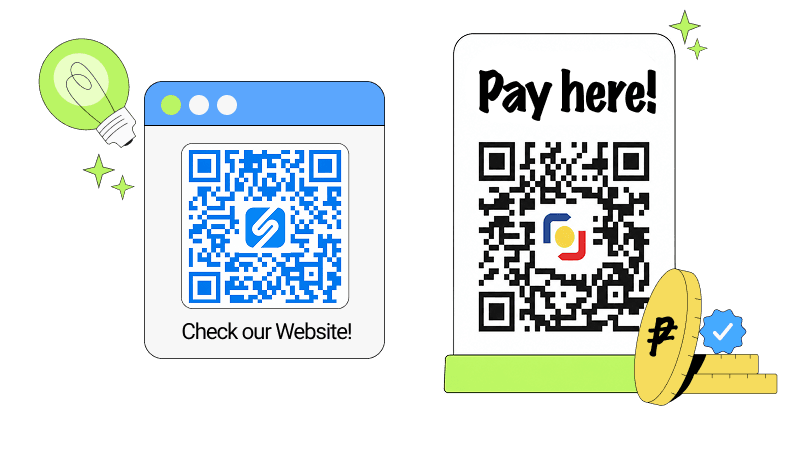
For example, a QR code can direct users to a Skyro Product Loan page, where they can explore financing options and apply online.
These QR codes facilitate financial transactions and are commonly used by banks, e-wallets, merchants, and individuals.
Examples:
Bank-generated QR codes
This enables cashless payments, money transfers, and digital transactions.
QR payments have become a convenient way to send and receive money in the Philippines. Two common options are QR Ph and P2P InstaPay QR, but they are intended for different types of transactions and users.
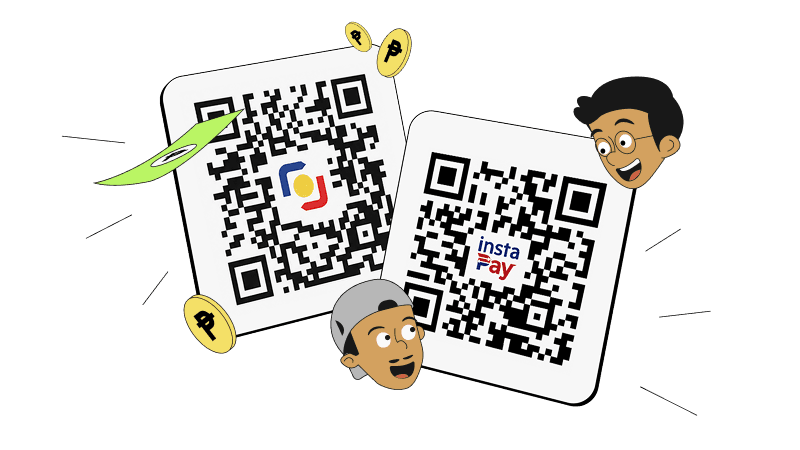
QR Ph is the national QR code standard developed by the Bangko Sentral ng Pilipinas (BSP) and operated through BancNet.
Its goal is interoperability, meaning users can pay or transfer money across different banks and e-wallets using a single QR standard.
Some examples include:
Beyond everyday purchases, QR Ph can also be used for other financial transactions, including paying your Skyro loan. If you have an existing Skyro loan, you can conveniently settle your dues via QR Ph payments.
A P2P InstaPay QR is specifically designed for fund transfers between individuals.
Instead of manually entering:
Users simply scan the recipient's QR code and send money.
This makes transactions faster and helps reduce errors that can occur when typing account information manually.
P2P InstaPay QR codes are commonly used for everyday money transfers. They make it easy to send funds to family members, split restaurant bills with friends, and pay freelancers or service providers without needing their account details.
Individuals can also share their QR codes to receive payments from friends, customers, or clients quickly and securely.
Whether you're paying at a gas station, dining at a restaurant, or shopping for everyday essentials, Skyro makes cashless payments more convenient and rewarding.
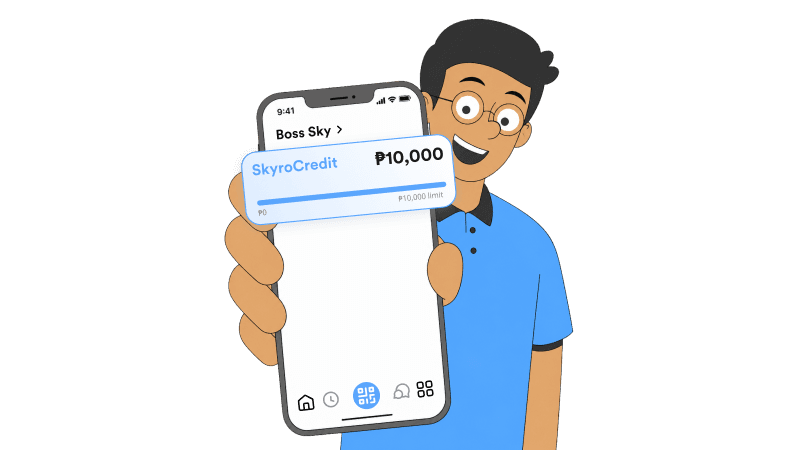
With SkyroCredit, you can now pay via QR Ph and enjoy up to 30% cashback on eligible transactions. It’s a simple way to make your daily purchases easier while getting more value from every spend.
Did this help?
Credit Card vs Personal Loan vs Credit Line: Find Your Credit Match

Shopping Can Be Rewarding: Refer, Earn, and Save

First Salary Coming Soon? Your Paycheck Needs a Plan