
Blog•October 7, 2026
Shopping Can Be Rewarding: Refer, Earn, and Save

Moving away from home is a big milestone for many students. Whether it's to attend a good school, pursue a dream course, or access better opportunities, studying away from home often means gaining more independence and taking on greater financial responsibility.
While living in a dormitory or apartment can be an exciting experience, it also comes with new expenses.
Before you pack your bags, check out this practical guide to help you prepare for life away from home.
One of the biggest adjustments when studying away from home is managing your own expenses. Creating a realistic budget starts with knowing where your money will go each month.

These are expenses you'll need to pay regularly, regardless of your day-to-day spending.
Your biggest monthly expense will likely be your dormitory or apartment rent. On top of that, you'll need to budget for utilities such as electricity and water, as well as internet access for online classes, research, and staying connected with family and friends.
These are your everyday necessities that can quickly add up if left unchecked.
Following a student budget guide can help you manage these costs more effectively.
Aside from your daily living costs, don't forget to budget for expenses related to your studies.
These may include textbooks and learning materials, printing requirements for reports and projects, and organization or club fees if you choose to participate in extracurricular activities.
Whether you receive your allowance weekly or monthly, following a student budget guide is one of the best ways to manage your finances while studying away from home.
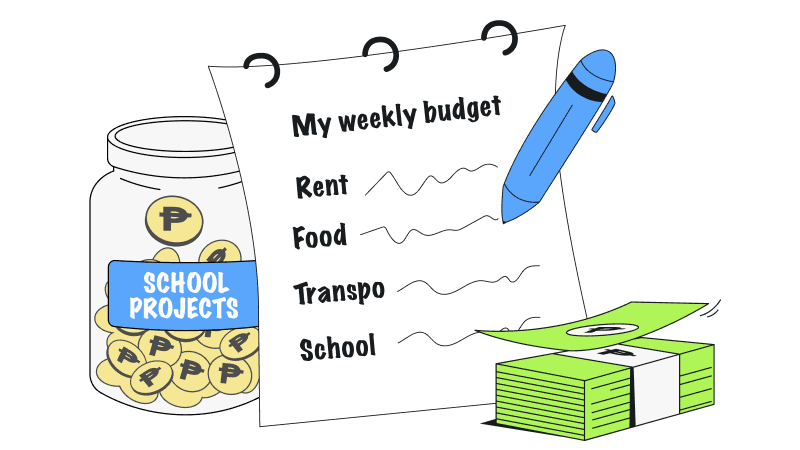
A good rule of thumb is to divide your allowance into spending categories.
Category | Suggested allocation |
|---|---|
Rent and Utilities | 35–40% |
Food and Groceries | 25-30% |
Transportation | 10-15% |
School Expenses | 10% |
Personal or Leisure Expenses | Remaining balance |
These percentages are only a starting point. Depending on your lifestyle and living arrangements, you may need to allocate more to certain categories and less to others. Review your spending regularly and make adjustments as needed.
When you're studying away from home, every peso counts. The key is making the most of what you have. Here are some practical money-saving tips to help stretch your budget without sacrificing your schooling experience.

If your dormitory or apartment has a kitchen, take advantage of it. Preparing simple meals can cost significantly less and offer healthier options.
Even something as simple as cooking your own rice can save money compared to buying individual servings from eateries.
If you need extra flexibility for everyday essentials such as buying groceries, you can consider using an online credit line such as SkyroCredit. Unlike a traditional credit card, SkyroCredit lets you pay at eligible QR Ph merchants without annual or service fees.
Carry a reusable water bottle and refill it whenever possible. It may seem like a small expense, but the savings can quickly add up over the course of a semester.
Always carry your student ID. Many restaurants, transportation services, bookstores, and other establishments offer student discounts that can help lower your everyday expenses.
When looking for a dormitory or apartment, consider one that's close to your school or easily accessible by public transportation. Walking or taking public transport whenever practical can help reduce your commuting costs.
Before purchasing brand-new books, uniforms, or school supplies, check if you can buy them in bulk or secondhand. Many upperclassmen sell textbooks, uniforms, and other school essentials that have only been used for a semester or two, often at much lower prices.
Having a reliable smartphone, tablet, or laptop is essential for completing assignments, conducting research, attending virtual classes, and collaborating on group projects. It can also help you budget, pay bills, and keep track of your everyday expenses.
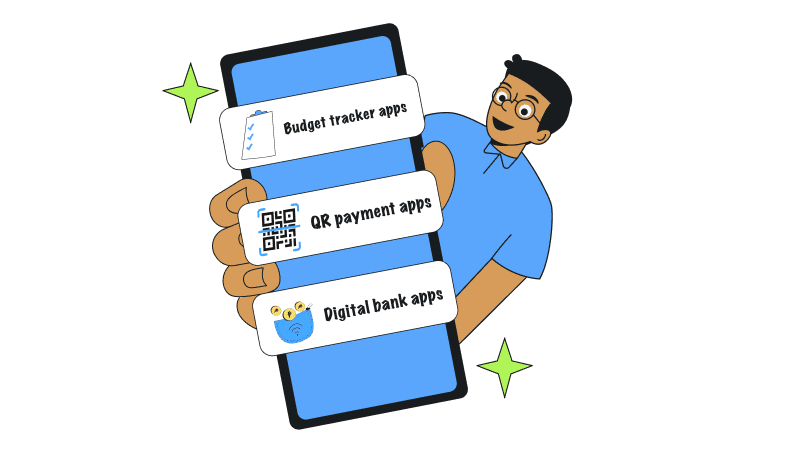
If purchasing these devices upfront isn't feasible, you can explore responsible financing options with your parents or guardian. For example, a Skyro Product Loan lets you purchase gadgets through manageable installment payments.
Once you have your device, make the most of digital tools that can help you stay financially organized:
Using these digital tools can help you build better financial habits while making student life more convenient and organized.
Living away from home can teach you independence, but that doesn't mean you have to figure everything out alone. As a student, you can still seek guidance and support from your family, school, and trusted communities.

Even if you're living independently, your family can still be one of your biggest support systems. Keep them updated about your needs, challenges, and expenses so they can guide you when making important financial decisions.
If you're using installment financing for school gadgets, you can discuss your repayment plan with them and stay on top of paying your Skyro loan to build responsible financial habits early.
If you're consistently performing well in school, consider applying for scholarships or financial aid programs. These can help reduce tuition and other school-related fees, easing the financial burden on you and your family.
Having friends and a healthy social life matters, especially when you're away from home. Surround yourself with people who are responsible, supportive, and respectful of your goals. The right circle can help you adjust better, make wiser choices, and feel less alone.
Many schools have guidance offices, student affairs offices, and organizations that can help students adjust to campus life. They may also offer resources related to counseling, financial assistance, academic support, and student activities.
Each milestone comes with new financial decisions. While studying away from home and living independently may feel overwhelming at first, careful planning, responsible spending, and the right financial tools can help you navigate this new chapter with confidence.
Keep learning, keep growing, and keep making smarter financial choices. Wherever life takes you next, Skyro is here to help you thrive through every milestone.
Did this help?
Shopping Can Be Rewarding: Refer, Earn, and Save

First Salary Coming Soon? Your Paycheck Needs a Plan

Online Shopping Scams: 5 Red Flags to Know Before You Check Out