Blog•September 2, 2026
Tuition Is Just the Start: 5 School Expenses Parents Should Budget For
“Add to cart mo na!” You might have seen or heard this tagline many times, boss. Online shopping is popular among many Filipinos nowadays, and for good reason: being able to buy the things you need without having to go outside is so convenient. You can order groceries, gadgets, clothes, and almost anything else with just a few taps on your phone. Oftentimes, the prices are lower, too.
But while you’re busy hunting for a good deal, scammers may be on the lookout too.
Online scams can appear on marketplaces, social media, messaging apps, or even websites that look like legitimate online stores. Some can be easy to spot, while others can look surprisingly convincing. That’s why knowing what to watch out for can make a big difference.
The good news? A few simple checks can help you shop more safely. Here are some of the most common online shopping scams in the Philippines and what you can do to avoid them.
An online shopping scam happens when someone tricks you into paying for a product that is fake, poor quality, or not as advertised. Scammers use these tricks to get your money or personal information.
Commonly, they advertise a product that doesn’t exist, send something completely different from what you ordered, or lead you to a fake payment page. With so many online selling platforms today, the ‘store’ itself may be fake. In other cases, these sellers may contact you outside a legitimate shopping platform and try to convince you to send money to their account directly.
Knowing what these scams look like is one of the easiest ways to avoid them. Let’s go over five online shopping scams you should look out for below.
Have you ever encountered a store that sells the item you’ve been looking for, but at a lower price than everywhere else? While it might seem like a good deal, be sure to check the profile first.
Fake online sellers may create convincing profiles, listings, and even customer reviews to appear legitimate. Paying through an e-wallet or bank transfer is common, but be extra careful when sending money directly to a seller you don’t know or haven’t verified. Once you send the payment, a fake seller could stop replying, block you, or disappear entirely.
For high-value items, consider safer options such as cash on delivery or meeting the seller in a public place so you can check the item before paying.
Another common scam when shopping online is a product that doesn’t match the listing. The photos say premium, but when the item finally arrives at your doorstep, surprise! It looks nothing like what you ordered.
These products can be fake, poor quality, or completely different from what was advertised. The seller may use photos belonging to an official store or another seller to make the listing look convincing.
Before checking out, make sure to read reviews from verified buyers and check the ratings when available. If the online shop hasn’t received any reviews or ratings, it may be safer to order from another seller instead.
For branded products, buying from an official or verified store can give you extra peace of mind, as they usually have return or refund policies if there are issues with the item delivered.
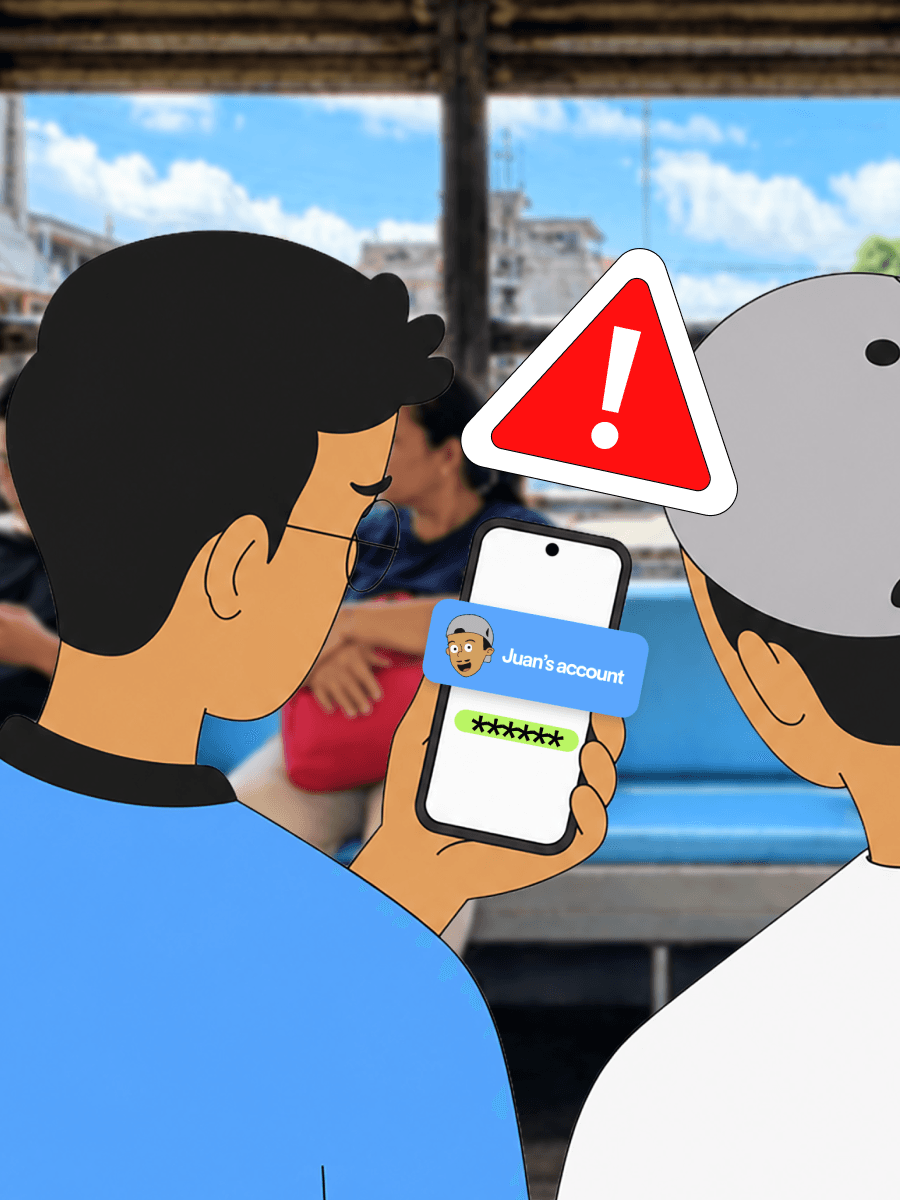
Online stores aren’t the only place you could get scammed, boss. You might receive a text, email, ad, or chat message saying you need to confirm an order, complete your payment, or pay a delivery fee. The link may lead to a website designed to look like a real shopping platform, delivery partner, or payment page.
The goal of online shopping scams like this is usually to get personal information, such as your password, card details, or one-time password (OTP).
Before tapping a link, check where it came from. Don’t rely on the sender’s name alone, as scammers can make messages appear to come from an official government agency, shopping platform, or another trusted organization.
If you purchased from an online shop through a social media page, message the seller directly through their official page to confirm whether the message really came from them. Remember: a legitimate seller will never ask you to share your passwords, PINs, OTPs, or other confidential information with them.
“Boss, direct payment na lang para may discount.”
That extra discount may sound tempting, but be careful if a seller asks you to pay outside a legitimate shopping platform like Shopee, TikTok Shop, or Lazada.
Of course, not every seller has a marketplace checkout. Small business owners who sell online on social commerce platforms like Facebook or Instagram may accept payments directly through their bank or e-wallet account. This doesn’t automatically mean it’s a scam.
Before sending money directly, take a few extra steps to check that the seller is legitimate. Check for page reviews and customer feedback, confirm their payment details, and take screenshots of your conversation and payment.
If you’re buying through a shopping platform that offers its own payment system, it’s generally safer to complete the transaction there instead of moving the payment elsewhere.
Sometimes, after you post or comment about an order problem on Facebook or another social media platform, a fake customer service account may contact you claiming to represent the store and offering to “help.” They may ask for your account details, OTP, or payment information.
Before replying, check if the account really belongs to the store. Look for a verified badge when available, or use the social media links listed on the store’s official page or website to make sure you’re contacting the right account.
Shopping online is quick and convenient, but a few simple checks can help you avoid common scams and shop with more confidence, boss.
Before you check out, keep these tips in mind:
Paying with QR Ph using SkyroCredit, boss? Before you confirm, always check the merchant name and QR details shown in the Skyro app. Make sure they match the store you’re paying. If something looks off or the QR code isn’t recognized, don’t proceed yet.
If you encounter any problems after paying, ask the merchant to check their payment system to confirm that your transaction went through. You can also attach a screenshot of the reference number on your confirmation screen so they can match it with the payment in their system. Learn more about QR Ph payments with SkyroCredit here.
Still need help with your SkyroCredit transaction, boss? Our Customer Care team is here for you 24/7. Contact them through the Skyro app chat, as it’s the fastest way for them to help. If you don’t have access to the app, you can also email care@skyro.ph, message Skyro Philippines on Facebook Messenger, or call:
Did this help?
Tuition Is Just the Start: 5 School Expenses Parents Should Budget For
When It Rains, Expenses Pour: How to Prepare for Rainy Season Expenses
What Is Cashback? A Simple Guide to How It Works