
Blog•October 7, 2026
Shopping Can Be Rewarding: Refer, Earn, and Save
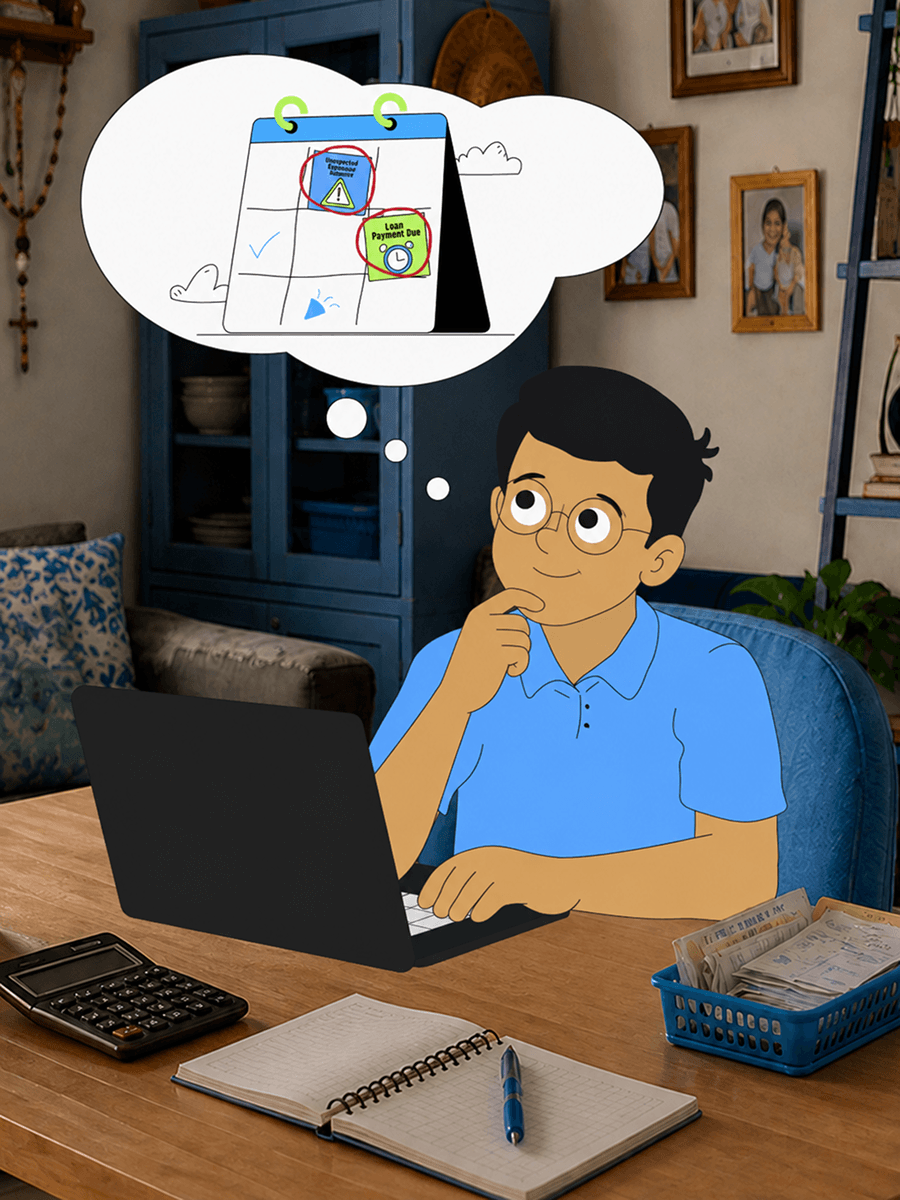
Every school year brings something new for your child, and as a parent, you want to be ready to support them along the way. While tuition is one of the biggest expenses, it’s not the only one.
From uniforms and textbooks to gadgets, daily baon, and transportation allowances, these costs can quickly add up throughout the school year.
To help you prepare your budget, here are five school expenses to add to your list, plus some simple tips to help you save along the way.
Back-to-school shopping usually starts with the basics: notebooks, pens, pad paper, uniforms, shoes, and school bags. Once you have the official list of requirements for your child’s grade level, try to shop before classes officially start. This gives you enough time to get everything ready without the last-minute rush, boss.
Not everything has to be brand new every year, either. For uniforms, you can try buying one size up, especially if your child grows fast. For school bags and shoes, look for quality items that can last beyond one school year. A cheaper option may save you money upfront, but it’s also worth considering how long it will last, so you don’t have to replace it sooner than expected.
Before shopping, check which supplies, uniforms, bags, and other items from the previous school year can still be used.
Budget tips
Baon and pamasahe are part of the everyday school budget, so it helps to look at how much you may need for a full week or month. To get a better picture of how much you may need, estimate your child’s daily expenses for food, transportation, and other small costs, then see how much these could add up to per week or month.
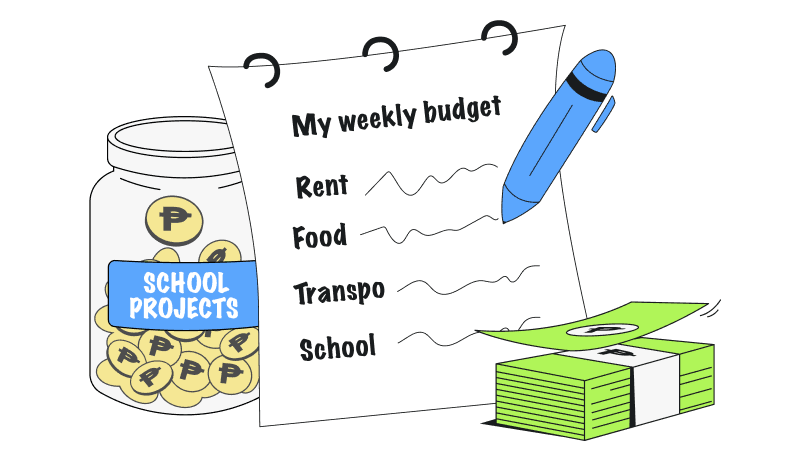
One way to save money is to pack meals for your child so they only have to buy snacks or other small extras at school. Make sure to add the cost of packed meals to your grocery budget, too, and compare it with how much you would normally give your child for food to see which works better for your budget.
Whether your child commutes, takes a school bus, or you drive them to school, include fares, gas, parking, and other transportation costs in your overall school expenses.
Budget tips
You’ve probably received a call from your child speaking quietly in a shaky voice: “Ma, may project pala bukas.”
Sound familiar, boss? School projects and activities don’t always give your budget much warning. When your child needs your support, even a last-minute request is something you’ll want to prepare for.
Throughout the year, they may need money for printing, group work contributions, projects, field trips, clubs, competitions, and other school events.
Instead of waiting for each expense to pop up, consider setting aside a small amount every month for school projects, activities, and events.
That way, kapag may surprise project, hindi rin surprise ‘to sa budget mo.
Budget tips
Nowadays, schoolwork is becoming increasingly digital. Since the pandemic, many schools have adopted asynchronous or hybrid learning, making digital tools a bigger part of how students learn.
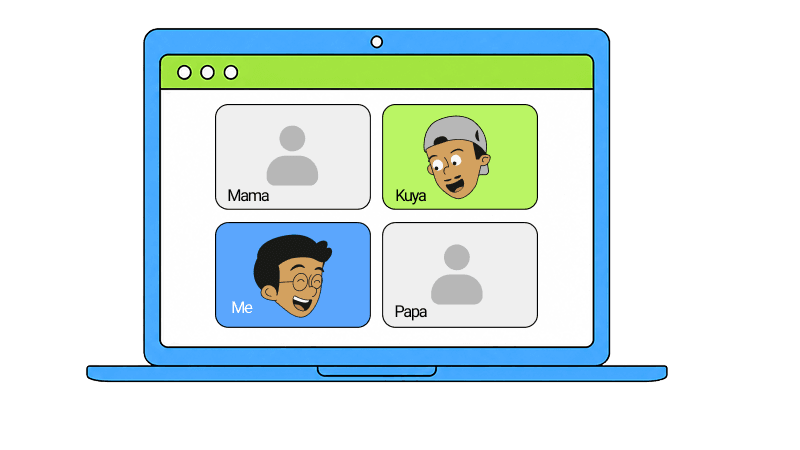
Today, school needs can go beyond books and notebooks. Depending on your child’s grade level and school requirements, they may also need internet access, a smartphone, tablet, laptop, or other learning tools.
Gadgets and laptops can be a bigger expense, so it’s important to check first if buying a new device is really necessary. An existing family device may already be enough for your child’s schoolwork. Should you ever need a new gadget but need more time to pay, there are Buy Now, Pay Later options through online lending apps like Skyro, including select offers with 0% interest and ₱0 down payment, to help make payments easier to manage.
Budget tips
Even with careful planning, some school expenses may only come up as the school year goes on. You may need to repair gadgets, replace lunch boxes and water bottles, or pay extra for an added school event.
There are also bigger milestones to prepare for. Graduation and moving-up ceremonies can bring extra costs for clothes, shoes, photos, transportation, and family celebrations.
Having a small buffer in your school budget can help you prepare for these expenses without having to suddenly adjust the rest of your household budget. This gives you a little more flexibility for needs that weren’t part of your original list.
Budget tips
If a new gadget, smartphone, or laptop is part of your child’s school needs, installment options can give you more flexibility in how you choose to pay for it.
With Skyro’s Online Product Loan, you can enjoy installment terms of up to 24 months, with 0% interest and ₱0 down payment offers.

As a trusted loan app with low interest rates in the Philippines, Skyro lets you shop from the comfort of your home with over 600 online partner merchants to choose from, whether you’re looking for a brand-new gadget or a secondhand phone.
Applying is simple, too. With just one valid government-issued ID, you can apply and get approved in just a few minutes, boss!
Did this help?
Shopping Can Be Rewarding: Refer, Earn, and Save

First Salary Coming Soon? Your Paycheck Needs a Plan

Online Shopping Scams: 5 Red Flags to Know Before You Check Out