Blog•October 7, 2026
Shopping Can Be Rewarding: Refer, Earn, and Save
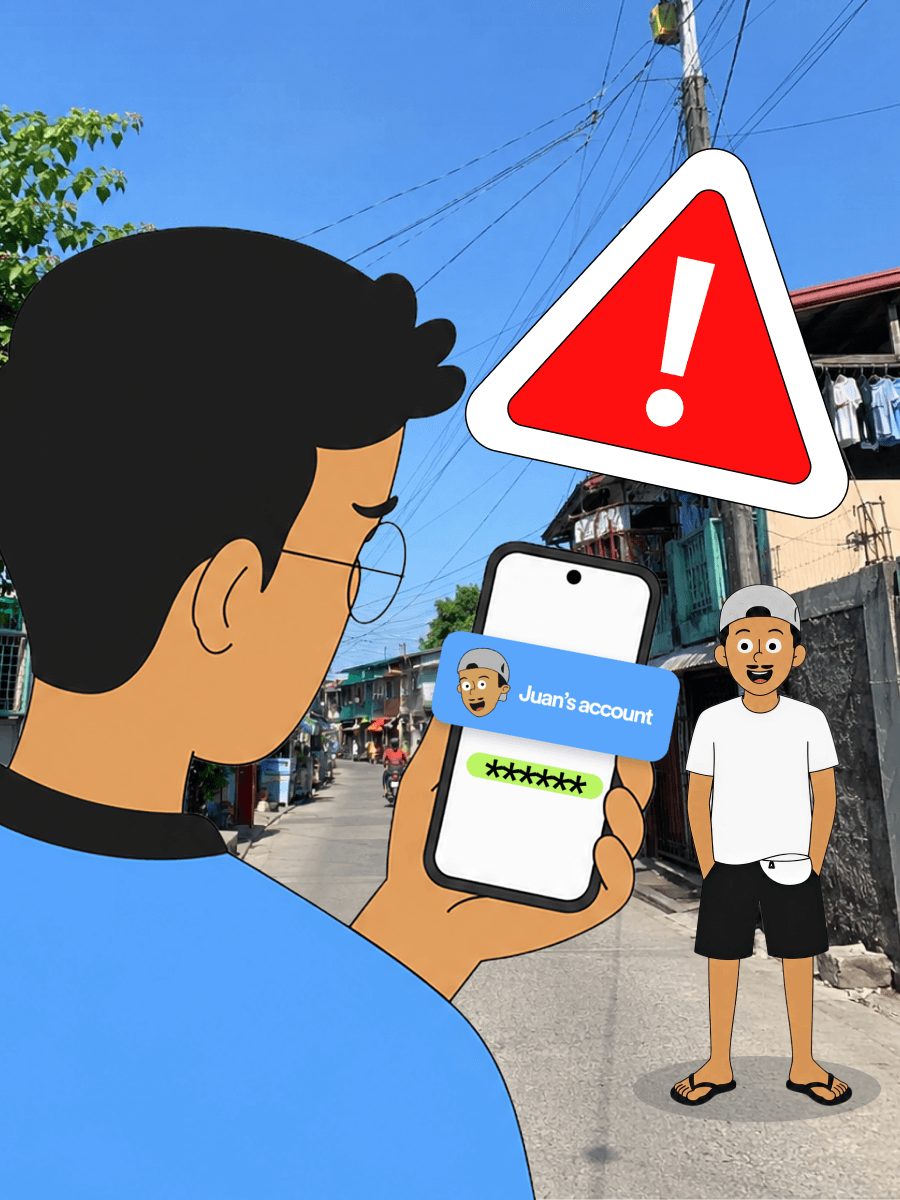
Keeping your account safe starts with one simple habit: don’t share it with others. Even if it’s a family member, close friend, or partner, sharing your account comes with plenty of security risks, boss.
From unauthorized transactions to issues with account recovery, accidents or misunderstandings can still happen. In this guide, we’ll go through 5 reasons why you should not share your accounts with others, even with relatives, plus some tips you can follow to protect yourself online and keep your account secure.
Boss, account sharing goes beyond just giving someone your password. It can also happen when you:
Even small acts like telling your relative, “Paki-check nga ng balance ko” or “Pa-login muna ako sa phone mo” can be harmful and invite security risks.
Now that you know what counts as account sharing, here are the 5 reasons why you should not share your accounts:
Once someone has access to your account, they can make purchases, transfer funds, apply for services or personal loans, or use your credit card or digital credit anytime. Even if you only shared your account temporarily or they promised to log you out once the transaction is done, problems can happen later on if permissions aren’t removed completely.
For example, your login details may still be saved on their phone or device if they weren’t properly deleted from the browser or app. This can lead to someone else using your account if they get access to that person’s phone or device.
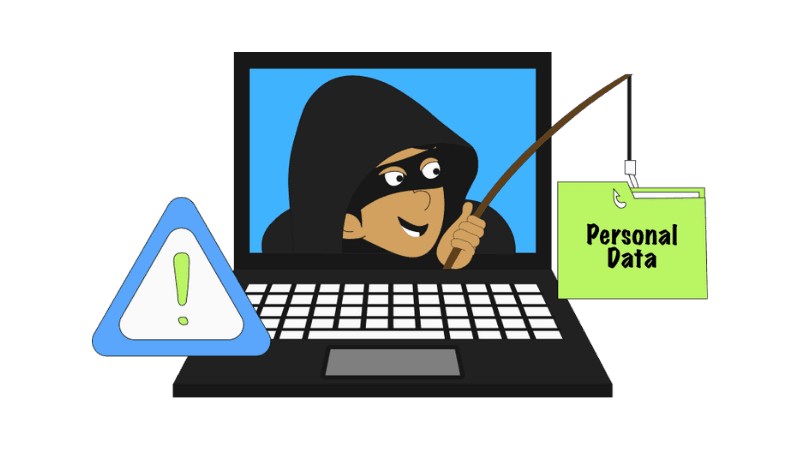
Another risk of sharing accounts with others is that your personal details and financial information can be viewed by others. This includes your full name, address, mobile number, email address, IDs, or linked payment methods.
You might think that “mobile number ko lang naman,” but these days, there are plenty of phishing or scams that happen just by someone having access to your mobile number. When it falls into the wrong hands, you could end up with fake applications under your name.
The purpose of one-time passwords (OTPs) is to confirm that you approve a login or transaction. It’s for your eyes only, as it’s sent to your mobile phone and is valid for only a few minutes. So if you willingly share your OTP with someone else, you’re allowing them to access your account.
Plenty of scammers pretend to be bank representatives or customer service agents, so they can trick you into giving away your OTP. You may receive a text or call saying that there are problems with your account, so you need to provide the OTP to secure it. Be careful not to fall for this scam! Remember, boss: legitimate banks and companies will never ask for your OTP.
Some people create shared accounts because they believe it’s more convenient to have only one password to remember. But whether you’re friends, a couple, or relatives, sharing one account should never be done. Consider that if your relationship might change, you both get into a fight, or the account owner loses access; this will create additional problems later on.
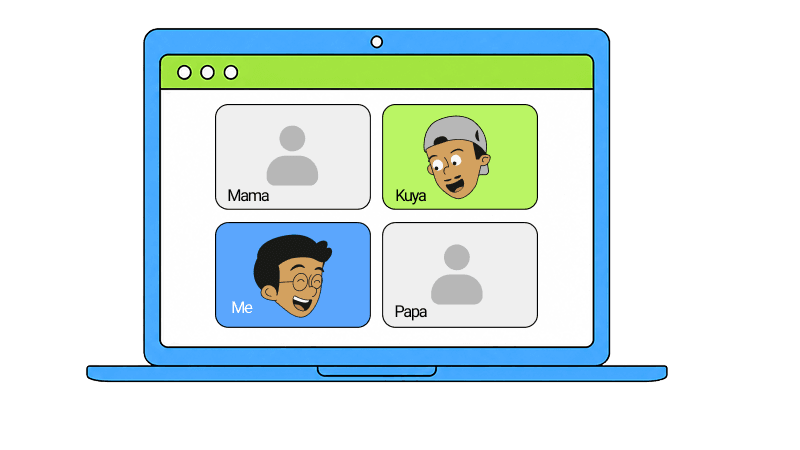
Account recovery can also be tricky when multiple people use the same mobile number, email address, or login details. Since security codes, password reset links, and push notifications are sent only to the registered number, regaining access may be difficult, especially if the person handling the account cannot be reached. To avoid all these issues, it’s safer for each person to create and maintain their own account instead.
Maybe you chose to share your account with your relatives out of good intentions, like helping your tita or pamangkin with a payment or purchase. But accidents can still happen, and they might enter the wrong details, click checkout, or adjust your account settings.
Especially when money is involved, small misunderstandings can grow into bigger problems later. For example, a relative may ask to use your card or account for a gadget or appliance installment, promising to pay you on time every month. But if payments are missed, delayed, or suddenly stop, the responsibility still falls on you, since the loan is under your name. This can affect not only your relationship but also your finances and credit history.
Keeping your account secure does not stop at simply saying no to account sharing. It also means practicing simple but consistent habits to help with fraud prevention, unauthorized access, and other security problems.
Never share your OTPs
Never share your OTPs

Keep passwords private
Keep passwords private
Use strong and unique passwords
Use strong and unique passwords
Use biometrics or two-factor authentication
Use biometrics or two-factor authentication
Avoid logging in on shared devices
Avoid logging in on shared devices
Log out after using public or borrowed devices
Log out after using public or borrowed devices
Monitor your account activity
Monitor your account activity
Ignore suspicious links or messages
Ignore suspicious links or messages
Avoid logging in on public networks
Avoid logging in on public networks
Protecting your financial accounts is important for keeping your personal information, money, and transactions safe from phishing attacks, scams, and unauthorized access. Since most banking and financial services are now available online, being careful with your account details can help you stay protected and use these services with more peace of mind.
That’s also why you should not share your accounts, even with relatives or friends. No matter how close you are with the person, shared access can still create risks for both of you. And if you notice any suspicious activity on your Skyro account, contact Customer Care through the in-app chat right away. It’s the fastest way for the team to reach you.
If you don’t have access to the Skyro app, you can also reach them here:
• +63 919 1700 700
• +632 8540 3344
Did this help?
Shopping Can Be Rewarding: Refer, Earn, and Save
First Salary Coming Soon? Your Paycheck Needs a Plan
Online Shopping Scams: 5 Red Flags to Know Before You Check Out