Blog•September 16, 2026
Online Shopping Scams: 5 Red Flags to Know Before You Check Out

There’s often a quiet tug-of-war in your head, whether you’re window shopping in a mall or browsing online. Should you sleep on a certain item for a few days or head straight to the checkout?
The temptation becomes even stronger when it is on sale or heavily discounted. But after the excitement fades, many people are left wondering: Did I really need that? For some, that question can turn into guilt.
That inner conflict usually comes from uncertainty. Even if you can afford something at the moment, you may not be sure if it fits your overall budget, or it might affect it later on.

Learning how to afford what you want without stressing about money is all about balance. It’s possible to enjoy the things you like while keeping your finances healthy.
It’s payday, and the money has just hit your account. The items that have been sitting in your online cart suddenly feel within reach. The temptation to finally click “checkout” can be strong.

Before making that purchase, pause and think about it. Have you already paid your essential bills? Have you set aside money for groceries and other necessities? If you buy this item today, will it affect your finances next month?
A purchase might seem manageable at the moment, but the bigger financial picture often includes costs that aren’t immediately obvious: hidden fees, maintenance, or lifestyle upgrades that follow a big purchase.
For example, you might be able to afford the down payment on a car today. But have you considered the full cost of owning it? Insurance, fuel, maintenance, parking, and other expenses can quickly add up. What seems affordable at first may become a financial burden later.
You can truly afford something when buying it won’t compromise your essentials or your future financial stability. Taking a moment to evaluate the full cost of a purchase is one of the most effective ways to avoid overspending while still enjoying the things you want.
Staying financially healthy starts with knowing what to prioritize. Before spending on the things you want, make sure your needs are fully covered first, such as utilities, rent, groceries, and other essential expenses.
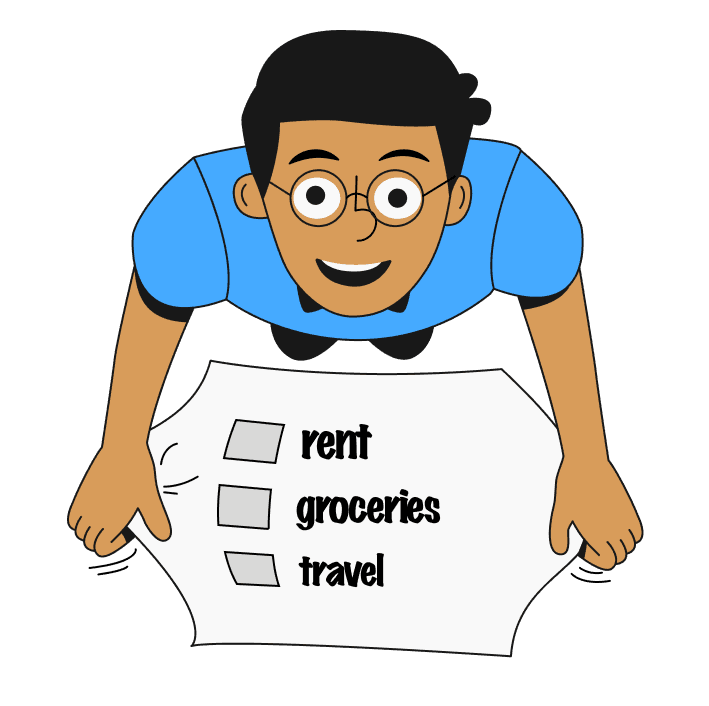
Once your essentials are taken care of, you can confidently allocate what’s left toward your wants, like travel, dining out, or hobbies. Creating a budget also allows you to not compromise your well-being for the sake of spending. It’s easy to cut corners, like skipping proper meals or relying on quick snacks, especially after splurging during big sale events.
Remember, staying financially healthy should also never come at the expense of your physical health. Taking care of yourself will always matter more than any purchase.
Now that you’ve identified your expenses, a helpful strategy is to create goal funds specifically for the things you want. Instead of relying on impulse purchases or debt, you’ll be able to enjoy them knowing you’ve already planned and saved for them.
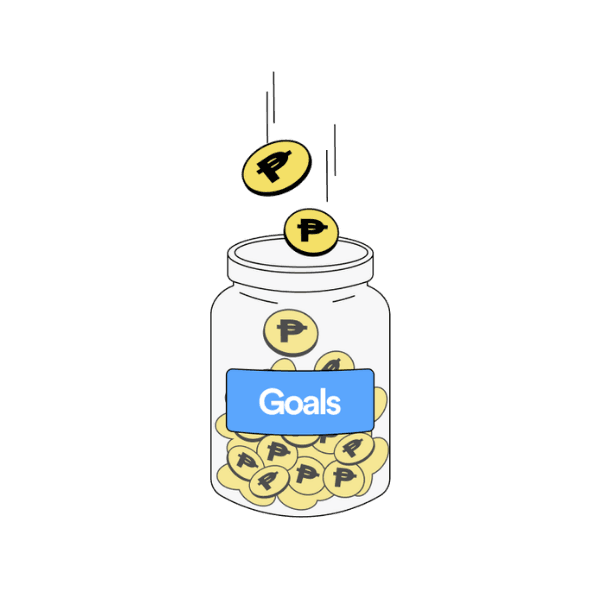
You can also divide your goal funds into smaller categories. This helps you allocate your money more intentionally, so you don’t end up spending everything on one purchase.
For example, if you’re planning a domestic or international vacation, think beyond just the plane ticket. Your budget should also consider accommodation, transportation, food, activities, and even souvenirs. Planning these expenses makes it easier to stay within your limits and avoid overspending.
Have you ever noticed how stress can make shopping more tempting? When we feel overwhelmed, it’s easy to give in to retail therapy. There’s even a voice in your head that says, “You deserve it.” While there’s nothing wrong with rewarding yourself, going all in on expensive purchases can put your financial well-being at risk.
If you still really want a particular item, try setting a waiting rule. Give yourself a few weeks or even a month before making the purchase. This pause helps you decide if you truly want the item or if the urge will pass.
Practicing this habit is one of the simplest ways to avoid overspending, because it prevents impulse buying and allows you to think through your decision.
Another smart habit is choosing options that offer the best value for your money. Sometimes the smartest purchase isn’t the most expensive one.
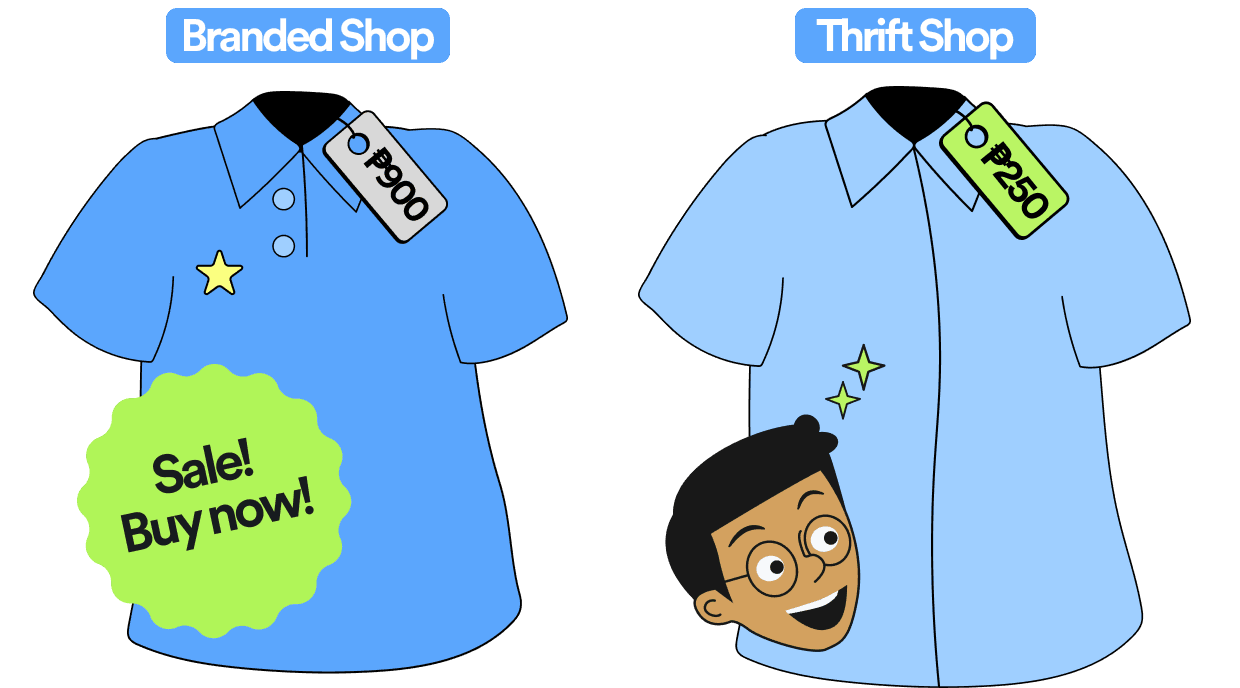
For example, when shopping for office clothes, you might check thrift stores or ukay-ukay first. Many secondhand items are still in excellent condition and can look as good as new after a few washes.
A lower price doesn’t automatically mean poor quality, and a higher price doesn’t always guarantee the best value. Spending wisely is an important part of learning how to afford what you want while keeping your finances healthy.
Sometimes, it's necessary to buy a high-ticket item. If an essential appliance suddenly stops working, waiting too long to replace it may not be practical. In situations like this, various financing options can help you bring home what you need right away while keeping your cash flow manageable.
While it’s wise to be cautious about installment plans, they aren’t necessarily the enemy. When used responsibly, credit tools can actually help you manage expenses more effectively. Options like credit cards or digital credit lines such as SkyroCredit can offer flexibility, rewards, and cashback benefits that make everyday spending more convenient.
These financing options work best when you already have a clear plan for repayment. Before taking on any installment or credit purchase, make sure the monthly payments fit comfortably within your budget. This approach helps you maintain control of your finances while still giving yourself access to the things you need.
Used wisely, credit can be a helpful tool in learning how to afford what you want without putting unnecessary strain on your finances.
Making a large upfront payment for big-ticket items can put a strain on your financial health. If you’re planning to buy gadgets or appliances, a flexible financing option can help you spread the cost more comfortably.
With Skyro’s product loan, you can shop for the items you need and pay through affordable installments instead of draining your savings all at once.
With the right habits and financial tools, you can treat yourself, invest in meaningful purchases, and keep your finances on track.
Did this help?
Online Shopping Scams: 5 Red Flags to Know Before You Check Out

Tuition Is Just the Start: 5 School Expenses Parents Should Budget For

When It Rains, Expenses Pour: How to Prepare for Rainy Season Expenses