Blog•September 2, 2026
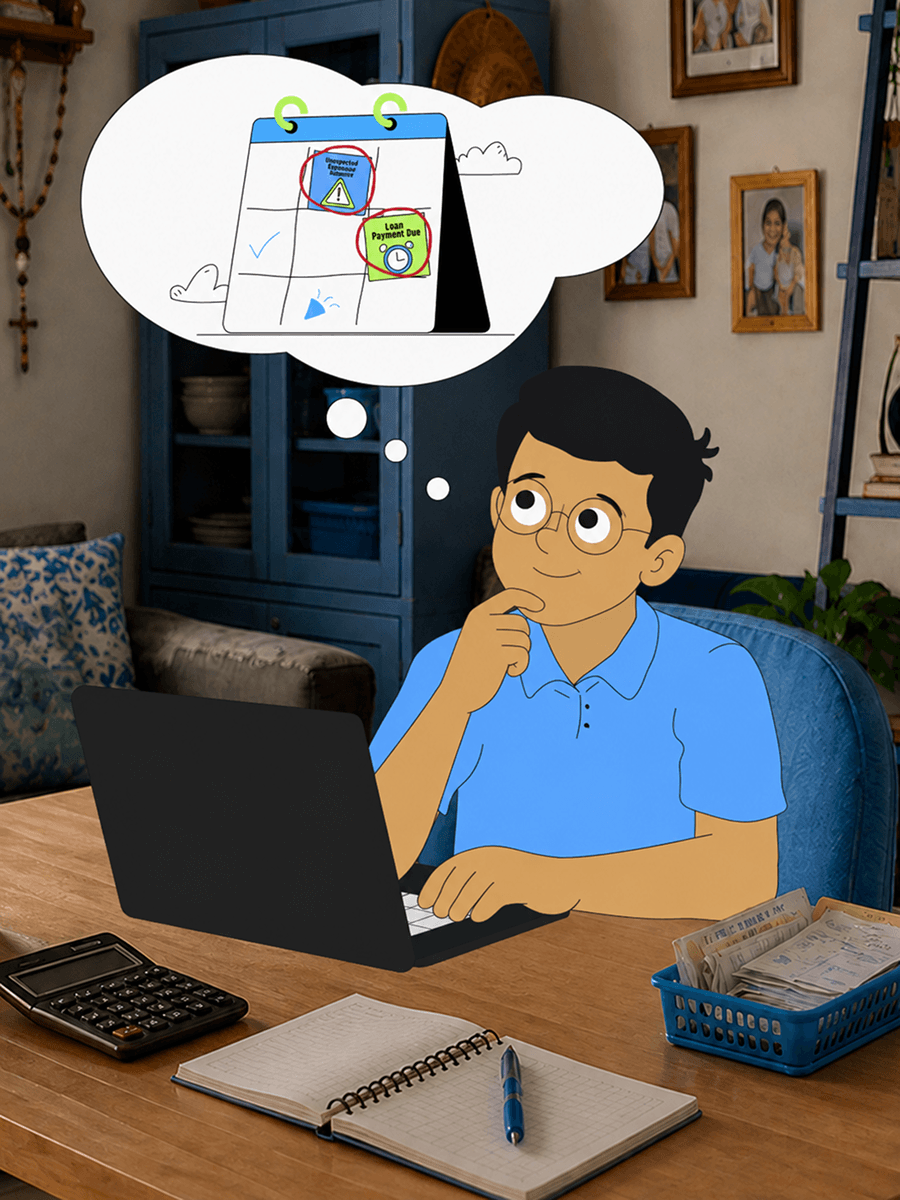
Tuition Is Just the Start: 5 School Expenses Parents Should Budget For

Ever wondered why it’s so hard to stop yourself from clicking “checkout” after scrolling through social media? With everyone being online nowadays, it’s no surprise that Filipinos’ shopping habits are shaped by the trends and influencers they see every day.
Learn how overconsumption on social media is influenced by budol culture and discover practical tips you can follow to avoid overspending online, boss.
Overconsumption happens when people buy and use goods beyond what they actually need. This behavior is closely linked to consumer culture, or simply budol culture here in the Philippines, where many are encouraged to see material goods as a way to express their identity, success, or self-worth.
With more and more Filipinos gaining access to the internet in recent years, online shopping has become a popular pastime and stress-reliever for many. Brands take advantage of this by investing in social media marketing to promote their products and reach more customers. As a result, overconsumption on social media is becoming increasingly common.
Filipino consumerism is largely driven by social media trends. In January 2025, there were over 90.8 million social media users in the Philippines, and this number is expected to keep growing in the coming years.

Today, social media influencers often show off their lifestyles on platforms like Instagram, TikTok, and Facebook. This is partly because those with thousands of followers and high engagement are recruited by brands to promote their products online. If you’re an active TikTok user, you’ve probably heard the phrase “click the yellow basket” many times while scrolling through videos on your For You page 🟡🧺.
These influencers act as trendsetters while also guiding their followers’ purchases through their reviews. Meanwhile, those who are unsure about influencer marketing and reviews can turn to other social media channels, such as Facebook groups and Reddit communities, where fellow buyers can share their opinions anonymously.
It’s important to recognize that overconsumption isn’t driven by greater access to products alone. It’s also supported by how much easier it has become to pay for them, thanks to the wide range of digital payment options now available.
As an example, in the past, students had to save up their allowance if they wanted something. Now, they can get their dream items right away through Buy Now, Pay Later (BNPL) services, which allow them to bring home products immediately and split their payments into smaller monthly installments.
With online shopping and flexible payment options becoming more common, it’s easy to go over budget or feel tempted to buy more than you can afford. So here are three simple tips to help you avoid overspending online:
The first tip is to set a monthly spending limit. Review your finances and decide how much you can realistically spend on online shopping. Remember, it’s important to stick to this amount, so you don’t end up touching your savings or other parts of your budget.
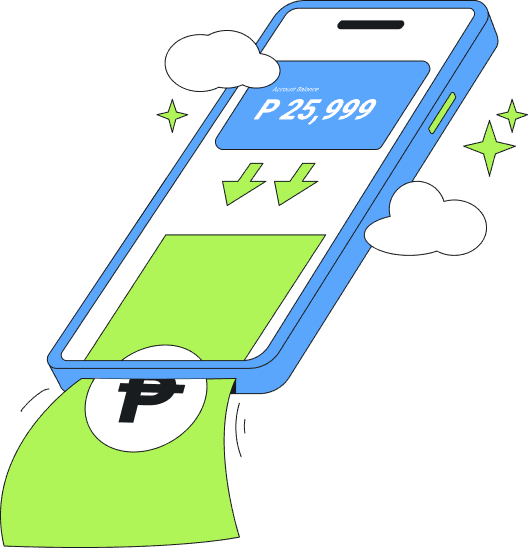
If you’re planning to make a big purchase, but can’t afford to pay the full amount upfront, consider getting a product loan instead. Trusted loan providers like Skyro offer flexible installment plans for smartphones and home appliances, with terms ranging from 6 to 24 months. Skyro also has a Flexi feature that lets you adjust your monthly payment amount or move your due date easily in the app, so it’s easier to manage your budget.
Before availing any BNPL service, read the loan terms carefully, so you know how much you need to pay each month, plus the interest rates or fees that may apply. This way, you can properly decide before making a purchase.
Next, try unfollowing accounts that normalize overconsumption. While this can be hard at first, especially if you’ve been following them for a long time, it can help change your mindset toward spending. The less you see these accounts, the less time you’ll spend thinking about buying this and that. Over time, the effects of overconsumption can lead to regret and financial problems, which is why you need to take action early.
You can always follow other influencers whose content promotes mindful spending, budgeting tips, or practical reviews instead of always buying the latest products or upgrades. Social media and consumerism aren’t going away anytime soon, but changing the type of content you watch helps improve your recommendations, so your feed shows better and more relevant content over time.
The last tip is to compare prices and read community reviews. To spend smarter, don’t buy the first listing you see online. Try scrolling down first to see the rest, because there’s a good chance that another shop is selling the same product for a lower price.
Similarly, don’t buy something just because it’s currently on sale. This is a common mistake many Filipino consumers make, believing that an item is sulit simply because it’s cheaper. Before checking out, always ask yourself, “Do I really need it?” You’d be shocked by how many items you can remove from your cart by asking this simple question.
Make sure to read community reviews across different social media platforms as well. This is an effective way to avoid falling into the trap of budol culture, since you’re not relying on just one opinion.
Online shopping has made overconsumption on social media more common, especially when checking out is just a few taps away. Besides being more mindful about the items you buy, it’s important to choose the right payment option. Picking a payment plan that works for you can help you stay on track with your expenses.
With Skyro, big upgrades don’t have to feel heavy on the wallet. Enjoy low interest rates, flexible payment terms from 6 to 24 months, and adjustable due dates, so you can plan your expenses in a way that fits you best. Skyro helps you get what you need without losing control of your budget. Apply for a product loan now, boss!
Did this help?
Tuition Is Just the Start: 5 School Expenses Parents Should Budget For
When It Rains, Expenses Pour: How to Prepare for Rainy Season Expenses
What Is Cashback? A Simple Guide to How It Works